
Pool Pump Troubleshooting Tips: Common Pool Pump Issues and Solutions
A pool pump is the heart of your pool’s circulation system. When it works well, your pool stays clean, clear, and inviting. But when it starts acting up, it can quickly become a source of frustration. Over the years, I’ve seen many pool owners struggle with various pump issues. In this post, I’ll walk you through some of the most common problems, explain what causes them, and offer practical solutions you can try before calling in a professional.
Identifying Pool Pump Problems: Pool Pump Troubleshooting Tips
When your pool pump isn’t running smoothly, it’s important to diagnose the issue carefully. Here are some common signs that your pump needs attention:
Pump won’t start: No sound or movement when you turn it on.
Pump runs but no water flow: The motor hums, but water isn’t circulating.
Pump loses prime frequently: Water stops flowing and the pump basket is dry.
Loud or unusual noises: Grinding, squealing, or rattling sounds.
Leaks around the pump: Water pooling near the base or from seals.
Overheating or tripping breakers: Pump shuts off unexpectedly.
Each symptom points to different underlying causes. Let’s break down these issues and what you can do about them.
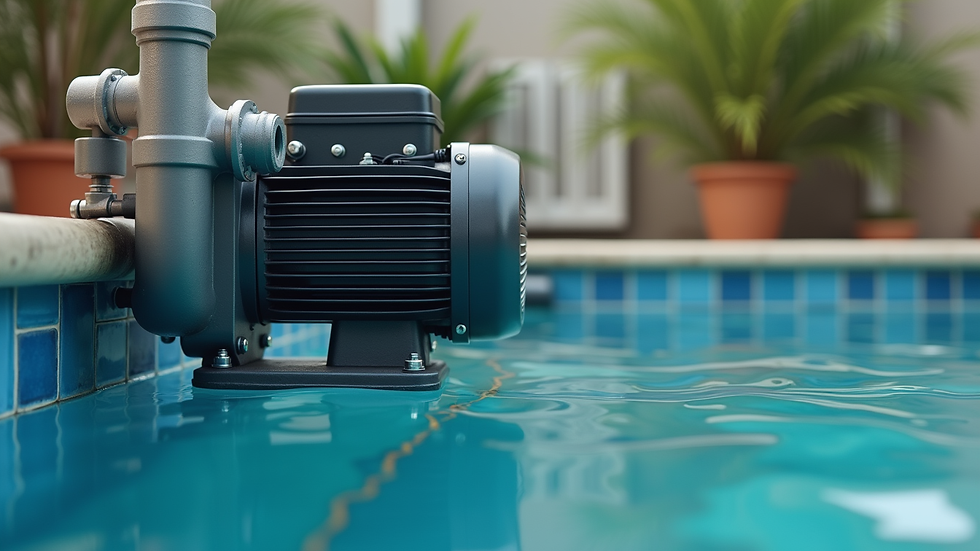
Pump Won’t Start
If your pump doesn’t start at all, the first step is to check the power supply. Make sure the pump is plugged in and the circuit breaker hasn’t tripped. Sometimes, a simple reset is all it takes.
If power is fine, the problem could be a faulty motor capacitor or a bad switch. These parts help the motor start and run smoothly. Capacitors can wear out over time, especially in hot climates like Austin’s. Replacing a capacitor is usually straightforward but requires some electrical know-how.
Pump Runs but No Water Flow
When the pump motor runs but water isn’t moving, it often means the pump has lost its prime. This happens when air gets trapped in the pump basket or suction line. Check the pump lid and O-ring for cracks or damage that could let air in.
Another cause could be clogged skimmer baskets, pump baskets, or filter elements. Debris buildup restricts water flow and reduces pump efficiency. Cleaning these parts regularly can prevent this issue.
Pump Loses Prime Frequently
If your pump keeps losing prime, it’s a sign of an air leak somewhere in the suction line. Common spots include:
Loose or cracked pump lid O-ring
Leaky unions or fittings on the suction side
Cracked pipes or valves
To find the leak, inspect all visible plumbing and listen for hissing sounds near the pump. Applying a soapy water solution to fittings can help spot bubbles where air is escaping.
Loud or Unusual Noises
Noises like grinding or squealing usually indicate mechanical problems inside the pump. Bearings can wear out, or the impeller might be clogged with debris. If you hear rattling, check for loose parts or debris inside the pump housing.
Ignoring these sounds can lead to motor failure, so it’s best to address them quickly. Lubricating bearings or replacing worn parts may be necessary.
Leaks Around the Pump
Water leaks near the pump base or from seals are often caused by worn shaft seals or cracked pump housing. Shaft seals keep water from leaking along the motor shaft. Over time, they dry out or get damaged.
Replacing a shaft seal requires disassembling the pump, so if you’re not comfortable with this, it’s wise to call a professional. Also, check for loose bolts or fittings that might be causing leaks.
Overheating or Tripping Breakers
If your pump overheats or trips the circuit breaker, it could be due to electrical issues or a motor running too hard. Blocked impellers or clogged filters make the motor work harder, causing it to overheat.
Make sure your pump is properly sized for your pool and that the electrical connections are secure. If the problem persists, a motor rewind or replacement might be needed.
What’s the Average Cost to Replace a Pool Pump?
Replacing a pool pump is a significant investment, but knowing the average cost helps you plan. In the Greater Austin area, the price typically ranges from $500 to $1,200, depending on the pump type and features.
Here’s a breakdown of factors that affect cost:
Pump type: Single-speed pumps are usually less expensive than variable-speed models.
Horsepower: Higher horsepower pumps cost more but can handle larger pools.
Installation complexity: Replacing a pump with different plumbing or electrical requirements can increase labor costs.
Additional parts: New seals, gaskets, or wiring may add to the total.
While it might be tempting to buy the cheapest pump, investing in a quality model suited to your pool size and usage will save money in the long run. Proper installation and maintenance also extend pump life and efficiency.

Preventive Maintenance to Avoid Pool Pump Issues
Preventing problems is always better than fixing them. Here are some maintenance tips to keep your pump running smoothly:
Regularly clean pump and skimmer baskets - Remove leaves, hair, and debris weekly.
Inspect and lubricate O-rings - Use a silicone-based lubricant to keep seals flexible.
Check for leaks and cracks - Look over plumbing and pump housing monthly.
Monitor water levels - Low water can cause the pump to lose prime.
Backwash or clean filters - Clogged filters increase pump strain.
Schedule professional inspections - Annual checkups catch issues early.
By following these steps, you reduce the risk of unexpected breakdowns and costly repairs.
When to Call a Professional for Pool Pump Repairs
Some issues are straightforward and can be handled by a confident homeowner. However, certain problems require expert diagnosis and repair:
Electrical faults or motor replacements
Persistent leaks after basic fixes
Complex plumbing repairs or upgrades
Variable-speed pump programming and troubleshooting
Replacing shaft seals or impellers
If you’re unsure or uncomfortable working with electrical components or disassembling your pump, it’s safer and more cost-effective to hire a qualified technician. They have the tools and experience to fix problems correctly the first time.
For those dealing with common pool pump problems, professional help ensures your system runs efficiently and reliably.
Building Confidence in Your Pool Equipment
Understanding your pool pump and its common issues empowers you to take better care of your pool system. When problems arise, you can quickly identify the cause and decide whether a DIY fix is possible or if professional service is needed.
Remember, a well-maintained pump not only keeps your pool clean but also saves energy and extends the life of your equipment. If you ever feel stuck, don’t hesitate to reach out to a trusted local expert who can provide honest advice and reliable service.
Taking these steps will help you enjoy your pool with fewer interruptions and more peace of mind.


Comments